

Home design in 2025 matters more than ever because living environments have evolved into multifunctional spaces.
Homes now serve as offices, sanctuaries, and places for connection. A well-thought-out design impacts productivity, relaxation, and sustainability.
Key objectives such as comfort, practicality, personalization, and eco-awareness guide every decision in modern interiors.
Advancements in technology, the rising popularity of sustainable materials, and the focus on mental well-being are shaping residential environments.
People are prioritizing comfort and health alongside aesthetics.
The upcoming sections reveal how to combine function and style to create spaces that reflect personality and responsibility while promoting peace and purpose.
Foundations of Home Design
Designing a home in 2025 requires intentional planning that harmonizes lifestyle, functionality, and aesthetic continuity.
Every decision, from layout to lighting, should align with the emotional and practical needs of the household.
A well-designed home enhances daily life by improving organization, comfort, and visual calm.
Planning for Functionality
Every space begins with a clear sense of purpose. Without defined intention, even the most beautiful rooms can feel cluttered or inefficient.
A home designed for 2025 must adapt to multiple roles, often merging professional and personal functions.
Planning with flexibility ensures that each area serves immediate needs while remaining open to future adjustments.
Examples of multifunctional design include:
- A living room with hidden storage, convertible furniture, and lighting modes for work or rest
- A kitchen that doubles as an entertaining space, complete with island seating and open shelving
- Bedrooms that integrate meditation corners or compact study zones
Functional design thrives on simplicity and intentional use of space. Integrated shelving, retractable partitions, and adaptable lighting systems encourage an uncluttered flow.
Practical layouts reduce stress and improve movement through the home, making everyday routines effortless.
Creating a Harmonious Flow
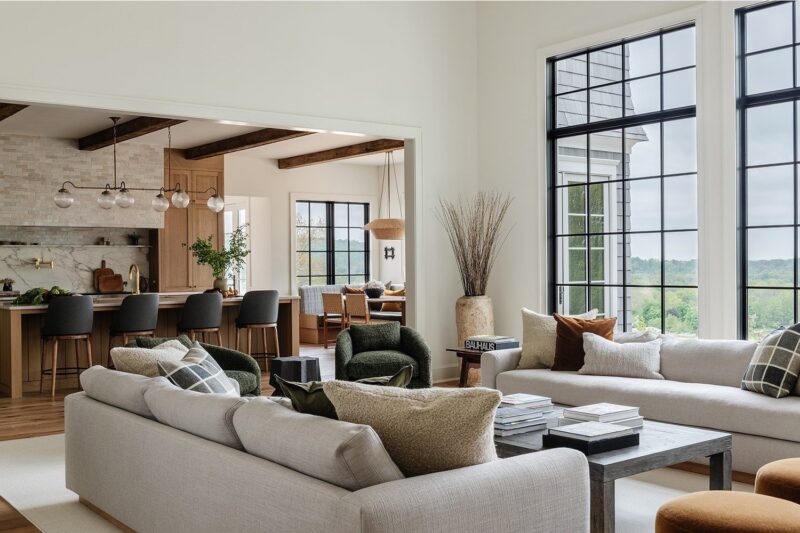
A seamless flow between rooms defines comfort and coherence. Visual and spatial unity allows energy to move naturally throughout the home.
Repetition of materials, tones, and finishes connects spaces while maintaining individuality in each zone.
Warm, organic color palettes such as sandy beige, olive green, and soft gray promote emotional balance.
A harmonious flow can be achieved by following key design principles:
- Maintain consistent flooring or trim details to unify transitions
- Repeat natural materials like wood, linen, or stone to create rhythm
- Use curved lines in furniture or pathways to soften movement through the home
- Keep sightlines open to promote connection between shared and private areas
Comfort and aesthetics work together when rooms feel interconnected yet distinctive. Such balance creates a sense of ease and groundedness that supports both relaxation and productivity.
Room-by-Room Comfort and Functionality
A home achieves balance when each room fulfills its purpose while maintaining comfort and flow. Every area contributes to the rhythm of daily life, blending design with usability.
Living Room

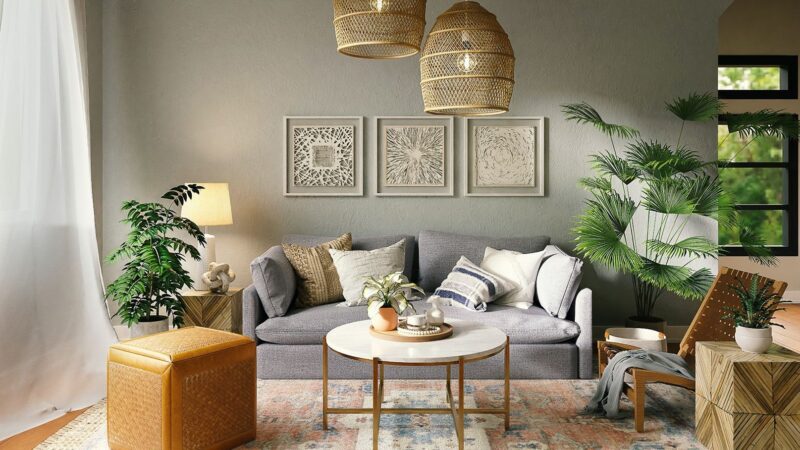
A living room serves as the emotional center of a home. Layouts in 2025 prioritize flexibility, relaxation, and social engagement.
Modular furniture arrangements adapt to family activities, while layered lighting ensures ambiance for any occasion.
Key design elements include:
- Soft, breathable textiles in natural tone
- Layered lighting using floor lamps, sconces, and dimmers
- Storage-friendly furniture that maintains openness
Natural fibers, curved silhouettes, and soothing colors create a feeling of warmth. Rooms designed for gathering promote both comfort and connection.
Kitchen
Modern kitchens focus on intelligent efficiency and lasting beauty.
Functional features blend seamlessly with style, creating a space that supports both cooking and conversation.
Compact design principles ensure that even small spaces remain practical.
Important aspects of a 2025 kitchen:
- Smart appliances and concealed storage solutions
- Durable surfaces like quartz or recycled stone
- Lighting that adapts for preparation or dining
- Open shelving and greenery for visual freshness
Form follows function, with every detail contributing to an easy and satisfying cooking experience.
Bedroom
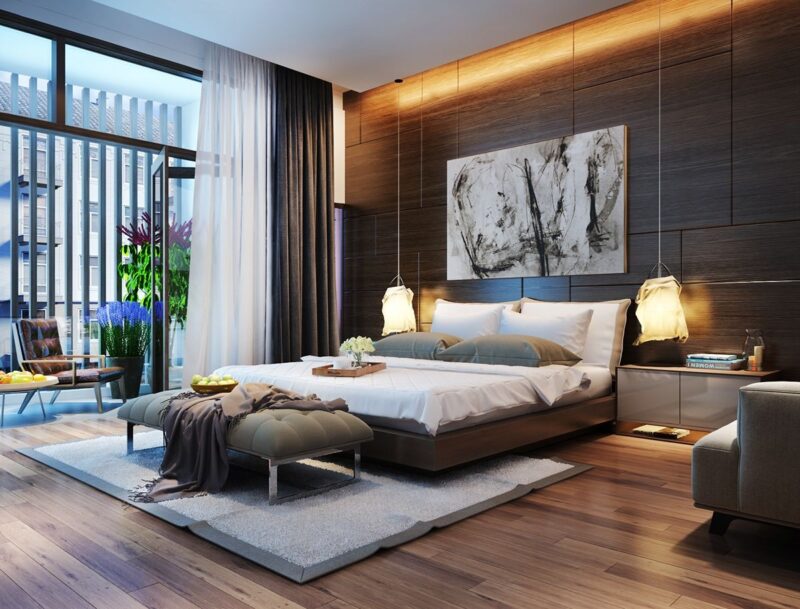
Bedrooms in 2025 emphasize serenity and recovery.
Soft textures, low lighting, and gentle hues establish an environment suited for rest.
Spaces are free of distractions, supporting better sleep and emotional clarity.
Essential features include breathable fabrics, ergonomic bedding, and minimal technology.
Natural light during the day and dimmable lamps at night create ideal conditions for relaxation. Color choices like sage green or sand beige help regulate mood and energy.
Bathroom
Modern bathrooms merge spa-like tranquility with sustainability. Materials such as bamboo, stone, and recycled glass tiles dominate design trends.
Attention to texture and lighting elevates the experience, transforming routine into ritual.
Elements that define a 2025 bathroom:
- Large mirrors for openness and reflection
- Ambient lighting integrated into mirrors or vanities
- Eco-friendly faucets and low-flow systems
- Natural elements like plants or wooden stools for balance
- Calmness and clarity remain the guiding principles of this space.
Dining Room

Dining areas function as hubs of connection. Rounded tables encourage interaction, while lighting defines atmosphere and intimacy.
Balanced proportions keep the space harmonious.
To enhance comfort and flow:
- Choose upholstered chairs for long meals
- Use pendant lights or adjustable fixtures to highlight the table
- Add subtle wall art or natural textures for warmth
Soft color palettes and thoughtful lighting nurture a sense of belonging that complements shared experiences.
Outdoor Extension
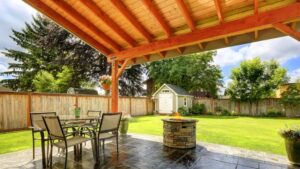
A backyard pond in 2025 is a sanctuary that connects relaxation, ecology, and design. Creating a peaceful pond environment adds an extra dimension to home life, inviting nature into daily routines while improving environmental balance.
A thoughtfully planned pond provides both visual delight and practical benefits, serving as a retreat for reflection and a thriving habitat for local wildlife.
Benefits of a Backyard Pond
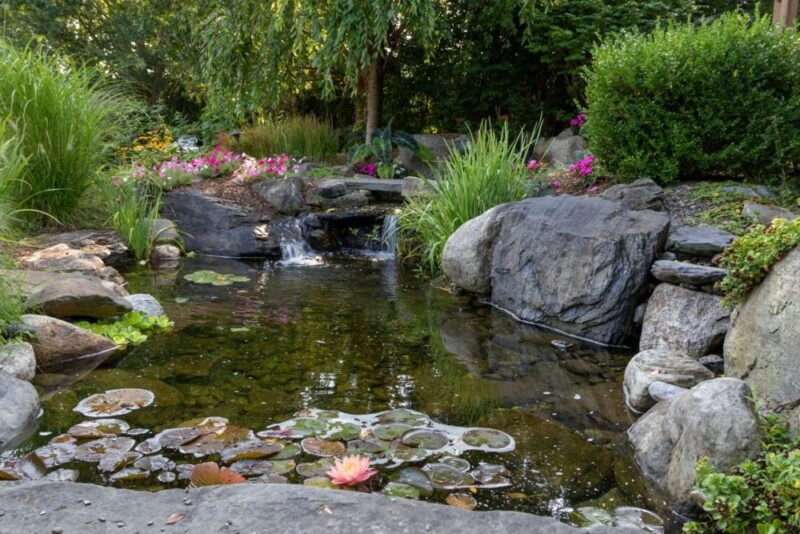
A well-designed pond brings emotional and ecological advantages. Water has a calming effect that reduces stress and supports mindfulness.
The gentle sound of moving water promotes mental clarity and helps mask urban noise, turning any garden into a personal oasis.
Practical and ecological benefits include:
- Enhanced biodiversity: Aquatic plants and small fish attract frogs, insects, and birds, supporting the local ecosystem.
- Natural cooling: Water bodies reduce heat around the home, improving comfort during warmer months.
- Increased property value: Outdoor spaces with functional water features appeal to homeowners who appreciate sustainable beauty.
- Personal wellness: Time spent near water improves mood, creativity, and focus, offering a natural way to unwind.
Integrating with the Landscape
Seamless integration between the pond and surrounding garden creates a sense of flow and unity.
Outdoor spaces are designed to extend indoor comfort, so the pond should complement the home’s architecture, furniture, textures, and surrounding fencing to maintain visual harmony.
Using similar materials and color palettes outdoors helps maintain a cohesive atmosphere.
Water clarity plays a central role in keeping the area beautiful and functional. Smart pond systems regulate water flow, filter debris, and maintain balance automatically.
A lake muck blower provides additional support by preventing sediment accumulation, aerating the water, and discouraging algae growth without harsh chemicals.
Such technology ensures the pond remains clear, healthy, and environmentally responsible.
Key Design Elements
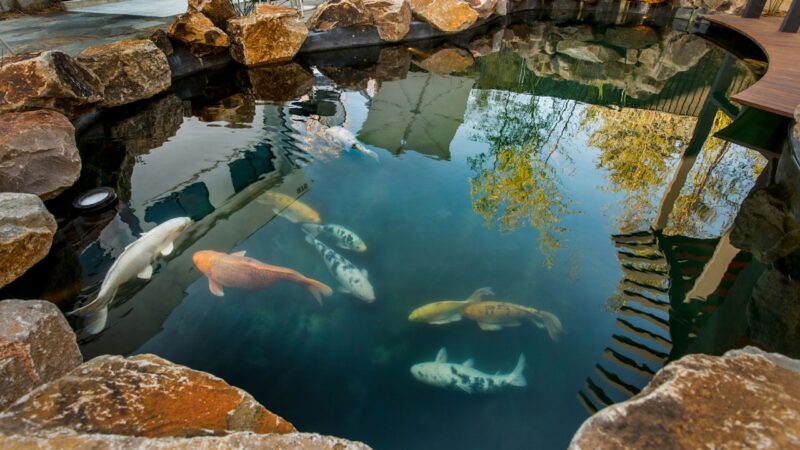
Designing a pond requires balance between structure, aesthetics, and natural form.
Modern trends emphasize a natural appearance that complements garden design rather than overpowering it.
Materials such as stone, gravel, and wood blend organically with their surroundings, while gentle slopes make the water’s edge accessible and visually pleasing.
Key design components that create an inviting pond include:
- Natural stone edges that define form while maintaining a soft, organic look.
- Aquatic vegetation like water lilies, reeds, and floating plants to oxygenate water and provide shelter for wildlife.
- Gentle waterfalls or bubbling fountains that enhance movement, sound, and water circulation.
- Discreet lighting placed beneath rocks or around borders to create ambience in the evening.
Balance between stillness and motion transforms a pond into an ever-changing focal point. Thoughtful composition ensures the feature feels timeless, engaging, and soothing in every season.
The Bottom Line
A well-designed home mirrors personal values and daily habits.
Comfort, sustainability, and mindful choices define modern living.
Embracing eco-friendly materials, intelligent systems, and thoughtful aesthetics ensures harmony between comfort and conscience.
A functional, sustainable home evolves naturally with its occupants, reflecting not just style but genuine well-being.