
Privacy shapes how a backyard feels and functions. Outdoor areas should offer a calm escape that shields daily life from nearby homes and passing views.
A well-planned yard creates intimate spaces for dining, relaxing, entertaining, and quiet reflection without feeling exposed.
Effective privacy design combines hard structures, plantings, and layered solutions. Fences, pergolas, and screens provide structure and clear boundaries.
Hedges, trees, and layered plant beds soften edges and add depth.
Thoughtful placement ensures coverage while preserving light, airflow, and a sense of openness.
1. Classic Fencing Solutions
Solid privacy fences remain one of the most reliable ways to block sightlines year-round. Traditional wood fencing creates a consistent barrier that separates properties and reduces visual distractions.
When considering professional installation, custom fence options can help you design and build a durable, privacy fence that matches your landscape and style preferences. Naturally, you should look to hire a trusted contractor like https://DFWFenceContractor.com.
Continuous panels limit gaps and provide dependable screening during every season.
Material selection plays a major role in long-term performance. Popular wood choices include:
- Cedar, valued for its natural resistance to moisture and insects
- Redwood, known for its stability and resistance to warping
- Pressure-treated lumber, often selected for budget-conscious projects
Decorative details can transform a basic installation into a refined architectural feature. Design upgrades may include:
- Post caps that add dimension and polish
- Framed panels for added structure
- Trim boards that echo details found on the home
Height and placement directly affect privacy levels. Taller panels provide stronger screening, especially in tightly spaced neighborhoods.
Stepped or staggered sections adapt to sloped yards and maintain consistent coverage. Careful alignment along property lines avoids awkward gaps.
Color decisions influence the overall feel of the yard.
Painting or staining in tones that coordinate with siding, decking, or outdoor furniture prevents fencing from feeling disconnected.
Neutral stains often create a softer backdrop for plants and seating areas.
2. Decorative Variations
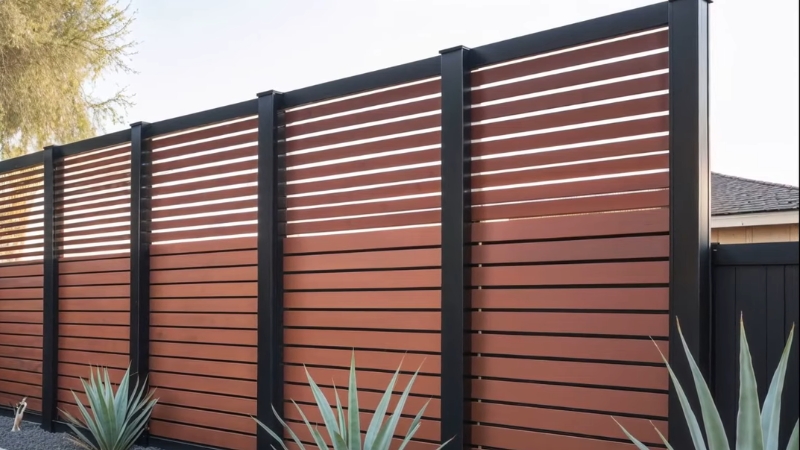
Horizontal slat fences and lattice designs offer a lighter visual presence while still providing privacy.
Slatted panels allow filtered light and airflow, which helps enclosed yards feel brighter and more comfortable. Spacing between boards can be adjusted to control visibility.
Lattice tops soften the upper edge of a fence and introduce pattern without overwhelming the yard.
Partial screening at the top maintains openness while discouraging direct views into seating areas.
Design flexibility increases with semi-opaque styles. Such options work especially well in smaller yards where a full enclosure may feel restrictive.
Common variations include:
- Narrow horizontal boards with small gaps
- Alternating board widths for subtle texture
- Mixed materials such as wood frames with metal inserts
Coordination strengthens cohesion. Matching fence materials and color to nearby decking, pergolas, or trim ties elements together. Repeating finishes across structures reinforces consistency in tone and texture.
3. Living Hedges and Plant Barriers
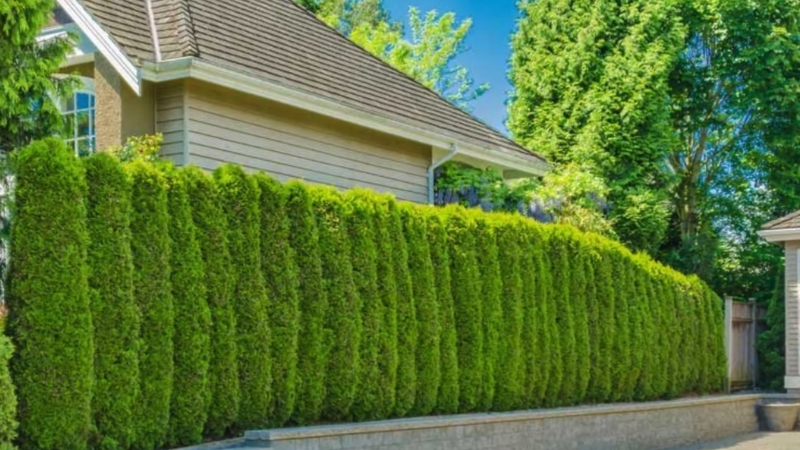
Tall evergreen hedges function like living walls. Dense foliage blocks sightlines and often exceeds standard fence height, creating layered screening.
Formal hedges such as clipped arborvitae or boxwood present a structured appearance with clean lines.
Informal hedges with looser growth create a softer edge and natural movement.
Maintenance determines long-term success. Formal hedges require consistent trimming to preserve shape and density. Informal plantings benefit from periodic thinning to maintain airflow and prevent overcrowding.
Layered planting increases privacy without sacrificing depth. Arrangement often follows a tiered structure:
- Tall shrubs or small trees placed in the back for primary screening
- Mid-height shrubs that fill visual gaps
- Ornamental grasses or low plantings in front to soften edges
Depth enhances the sense of space and prevents a flat wall of greenery. Careful spacing maintains light penetration and keeps gardens feeling open.
Privacy trees arranged in a row introduce vertical screening and shade.
Fast-growing bamboo can deliver rapid height and dense foliage, though root containment systems are essential to prevent spreading.
Proper spacing ensures balanced growth and reduces long-term maintenance challenges.
4. Outdoor Privacy Screens
View this post on Instagram
Ornamental panels, louvered wood screens, and lattice dividers define secluded outdoor rooms without permanent construction.
Freestanding options suit patios, decks, or seating zones where installing a full fence may not be feasible. Panels guide sightlines inward and add architectural structure.
Adjustable louvered designs offer flexibility in airflow and visibility. Angle changes allow control over light and privacy throughout the day.
Placement near dining tables or lounge seating increases comfort and intimacy.
Outdoor curtains attached to pergolas or shade structures create adaptable screening.
Panels can be drawn closed during gatherings and secured open during quieter moments. Fabric softens hard surfaces such as concrete, stone, or wood decking.
Material performance influences longevity. Suitable fabric features include:
- Weather resistance to handle sun and rain
- Mold and mildew resistance
- UV protection to reduce fading
Color and pattern selection should coordinate with cushions, rugs, and furniture to maintain a cohesive look.
5. Pergolas and Structural Features
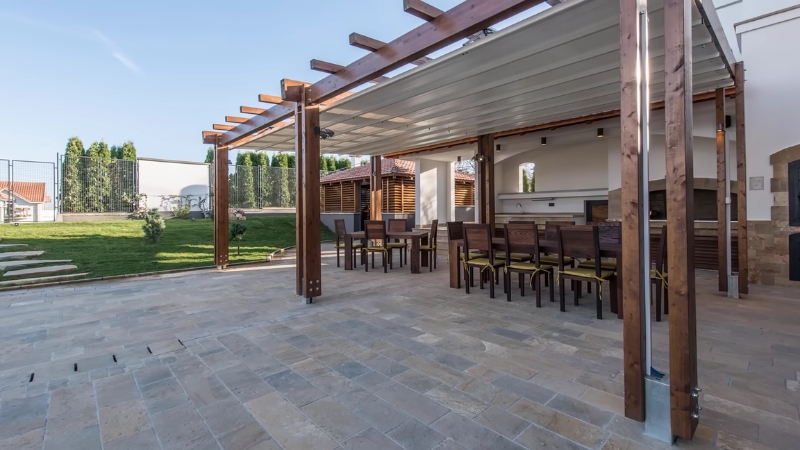
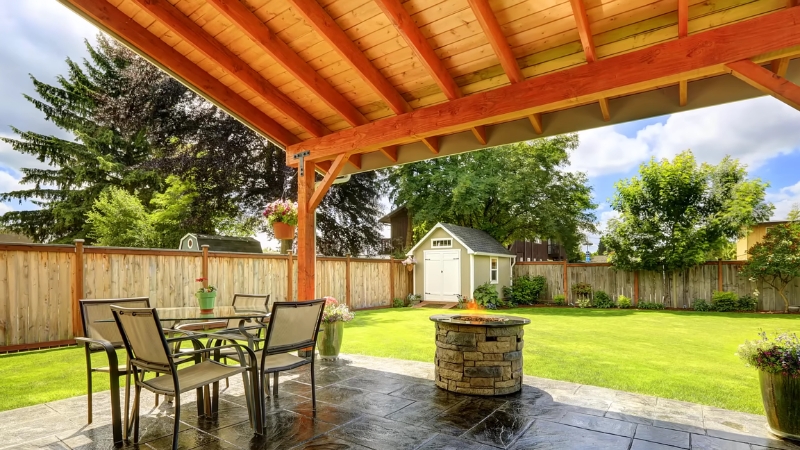
Pergolas frame outdoor rooms while maintaining openness overhead.
Overhead beams introduce subtle enclosure without blocking sky views.
Adding shade cloth increases sun protection during hot months and improves comfort during daytime use.
Climbing vines such as wisteria grow along the structure, gradually thickening overhead coverage and enhancing privacy.
String lights woven through beams extend usability into the evening and create a welcoming atmosphere.
Cabana-style structures or a poolside pergola nook establish a separate private zone within the yard. Partially enclosed sides increase seclusion while preserving airflow.
Functional additions may include:
- Built-in seating
- Outdoor kitchen counters
- Ceiling fans for improved air circulation
Defined zones encourage purposeful use and help organize activities. Privacy elements distinguish areas without obstructing natural light or movement.
6. Creative Natural Solutions
@livingwithley modern mediterranean outdoor spaces have my heart & so do DIYs #homedesigninspo #houserennovation #beforeandafter #stonebacksplash ♬ What You Know – Two Door Cinema Club
Stone walls introduce texture and architectural interest while blocking views. Solid masonry reduces noise and strengthens a sense of enclosure.
Natural materials add visual weight and permanence.
Height can be extended without overwhelming the yard by combining structural elements with greenery. A layered approach may include:
- Low stone walls as a base
- Shrubs or grasses planted directly behind
- Climbing plants trained along adjacent supports
Careful placement preserves circulation paths and prevents crowding.
Trellises support climbing plants that form vertical green screens. Flowering vines contribute fragrance and seasonal color while enhancing privacy.
Structures can attach to fences or stand independently near seating areas. Regular pruning encourages fuller coverage and maintains plant health.
Tall planters filled with ornamental grasses or small trees provide movable screening. Containers work well in patios, balconies, and compact yards. Mobility allows repositioning as needs change.
Seasonal rotation keeps planters visually fresh. Lightweight materials and built-in casters increase flexibility, making such solutions suitable for temporary screening or rental properties.
7. Subtle Privacy Enhancements
Balanced privacy maintains openness and comfort. Overuse of tall, solid barriers can make small yards feel confined.
Layered plantings and partially open screens preserve light and airflow while still limiting direct views.
Placement decisions influence how space feels. Protecting key areas such as seating and dining zones improves comfort.
Leaving peripheral areas more open maintains flow and prevents congestion. Clear internal sightlines help the yard feel connected and spacious.
8. Integration and Design Considerations
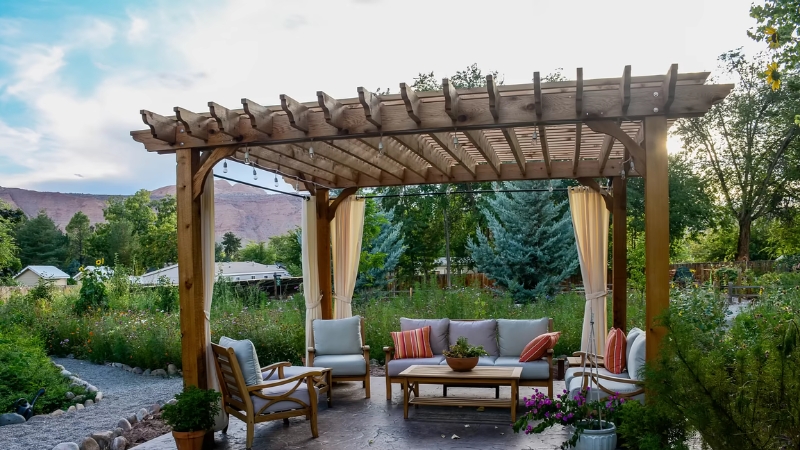
Privacy elements should function together as part of a cohesive plan.
Pairing fences with shrubs or combining pergolas with screens creates continuity across the yard. Consistent materials and coordinated colors strengthen visual unity.
Movement must remain a priority. Paths, entrances, and gathering areas should stay accessible and unobstructed.
Thoughtful spacing avoids cramped transitions.
Small yards benefit from softer, semi-transparent boundaries. Slatted fencing, layered greenery, and partial screens create separation without shrinking visual space. Vertical solutions increase privacy while conserving square footage.
Climbing plants and tall, narrow trees maximize height in limited areas.
Outdoor spaces function best when organized by purpose. Dining areas benefit from an enclosure that reduces distraction. Lounge spaces gain comfort through overhead coverage and side screening.
Summary
A strong backyard privacy plan balances structural features such as fences, pergolas, and screens with natural solutions, including hedges and layered plantings.
Careful layering and thoughtful placement create privacy while maintaining openness and visual flow.
The resulting design forms a welcoming outdoor sanctuary tailored for relaxation and everyday living.