
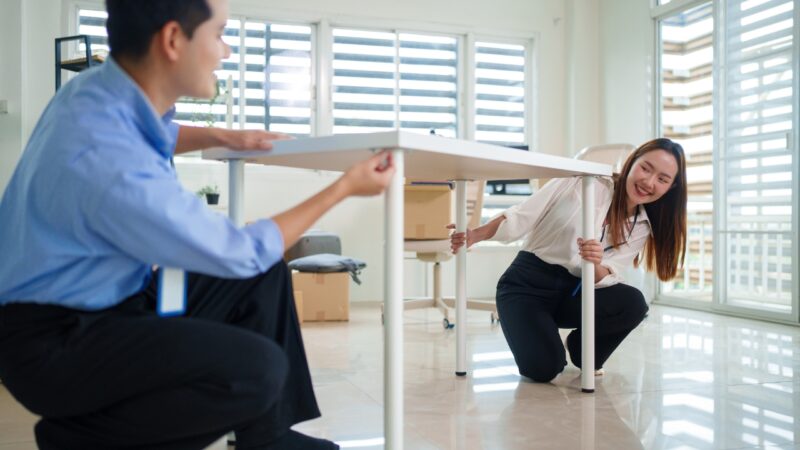
Office renovations in 2026 need to put employee comfort at the center of every design choice. Workplaces now have to support wellness, flexibility, productivity, and long-term daily use, not just provide desks and meeting rooms.
Modern office design should help people feel focused, relaxed, and supported during the workday.
Better layouts, ergonomic furniture, improved lighting, acoustic control, and wellness-focused amenities can all shape a more productive work setting.
Careful renovation planning can also help a company express its culture while giving employees practical spaces that match how they actually work.
Flexible Office Layouts
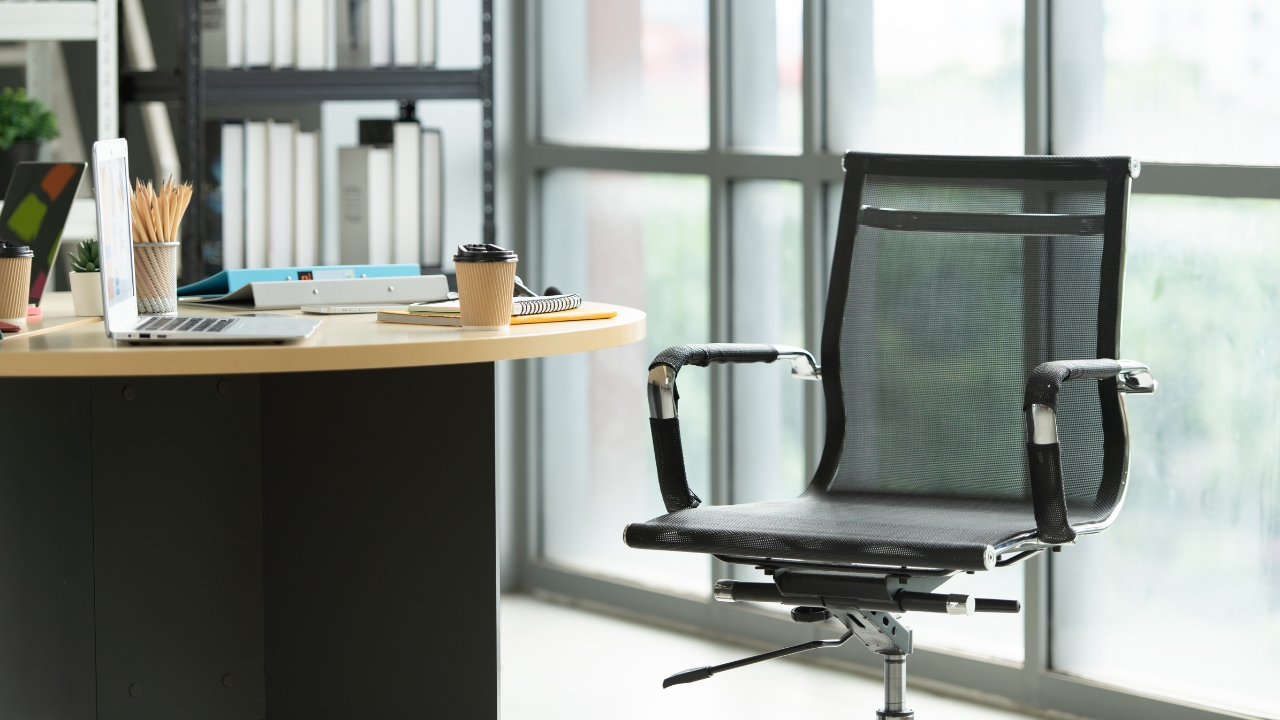
Flexible office layouts help employees move between teamwork, private focus, informal meetings, and video calls without feeling limited by one fixed setup.
Many organizations now use hybrid work models, so offices need layouts that can change based on daily attendance, team needs, and project activity.
Modular furniture is one of the most useful renovation choices for 2026.
Movable desks, flip-top tables, rolling whiteboards, and lightweight partitions allow teams to reconfigure spaces quickly.
A room used for training in the morning can become a project room later in the day.
- Hot desks managed by booking software
- Sit-stand desks with height memory presets
- Mobile desks and flip-top tables
- Movable partitions for quick room adjustments
- Multi-purpose zones that support training, meetings, and project work
Hot-desking areas can also make better use of available space. Booking software helps employees reserve desks, meeting rooms, focus pods, and shared work areas before arriving.
Clear desk reservation systems reduce confusion and help hybrid employees feel more prepared.
Smaller meeting rooms are also valuable because many workplace conversations involve two to four people rather than large groups.
Compact rooms with screens, video equipment, and sound control can support quick calls, private discussions, and small team check-ins.
Wellness-Focused Amenities
View this post on Instagram
Wellness-focused amenities are now a major part of office renovation planning. Employee well-being is no longer just an extra benefit.
Office design in 2026 needs to support comfort, air quality, temperature control, rest, movement, and access to suitable breakout areas.
Air quality should be a priority. Advanced ventilation systems and air purifiers can help keep air fresh, filter pollutants, reduce pathogens, and support a healthier workplace.
Better airflow can also reduce stuffiness and help employees feel more alert during the day.
Temperature control is another comfort issue that should not be ignored. Employees can lose focus when rooms are too hot, too cold, or unevenly conditioned.
Zoning systems, better insulation, and adjustable climate controls can make office spaces more comfortable.
Break areas should feel welcoming and restorative.
Office kitchenettes and coffee corners can also feel cleaner and more polished with durable wall finishes.
Custom colour glass Splashbacks can add colour to shared food and drink areas while giving walls a hygienic, heat-resistant, scratch-resistant surface that is easy to clean.
Since color can be matched to many paint brands, splashbacks can also support a consistent office design without making maintenance harder.
Comfortable lounges, upgraded kitchens, coffee corners, and casual seating can give employees places to pause and recharge.
Relaxation rooms can help reduce stress and support motivation throughout the workday.
- Advanced ventilation systems
- Air purifiers
- Better temperature zoning
- Comfortable lounges
- Wellness rooms
- Coffee corners
- Upgraded kitchens
- Fitness areas
- Quiet recovery spaces
Wellness rooms, fitness areas, meditation spaces, and quiet lounges can also improve the employee experience.
Not every company needs a large gym or luxury amenity, but every office can benefit by giving people spaces designed for rest, comfort, and recovery.
Ergonomic Furniture
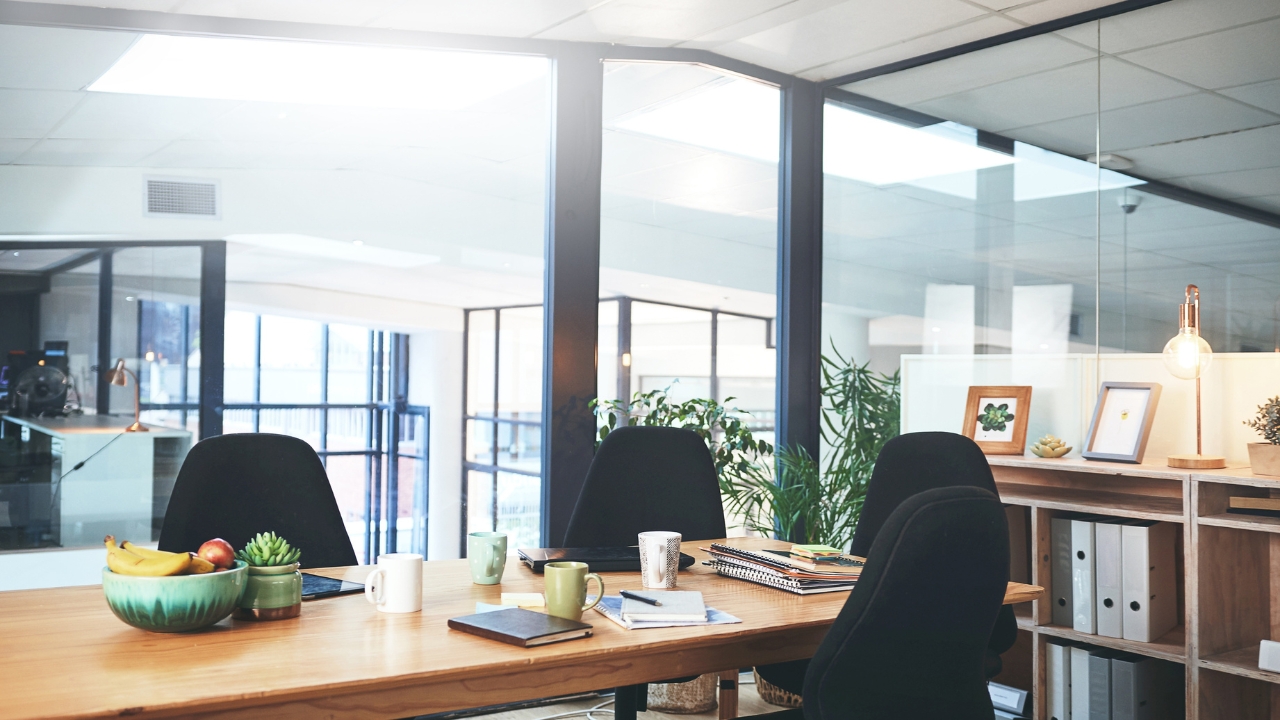
Ergonomic furniture is one of the most important investments in a comfortable office renovation.
Employees often spend long hours at their workstations, so chairs, desks, monitors, and accessories need to support healthy posture and reduce physical strain.
- Adjustable lumbar support
- Adjustable armrests
- Seat-height control
- Tilt mechanism
- Comfortable cushioning
- Stable support for daily workstation use
Good seating can reduce fatigue, support the lower back, and help prevent common work-related aches.
Sit-stand desks also offer major comfort benefits. Height-adjustable workstations let employees alternate between sitting and standing throughout the day.
Changing position can reduce sedentary behavior, support circulation, ease lower-back discomfort, and help with energy and concentration.
Monitor arms can help employees set screens at the right height and distance, reducing neck and eye strain.
Footrests can support posture for employees whose feet do not rest comfortably on the floor. Anti-fatigue mats can improve comfort for people who use standing desks regularly.
Better Lighting and Natural Elements
Better lighting can make an office feel more open, comfortable, and energizing.
Natural light should be used as much as possible by placing workstations near windows, keeping bulky furniture away from window areas, and using glass partitions where privacy is still needed.
Natural light can improve mood, reduce eye strain, and support productivity. Employees often feel more alert and comfortable in spaces that have access to daylight.
Bright, well-planned interiors can also make the office feel cleaner and more welcoming.
- Lighter wall colors
- Brighter flooring and ceiling finishes
- Layered lighting with overhead and task fixtures
- Indirect lighting that reduces glare
- Glass partitions that allow light to move through shared areas
Lighting should be bright enough for focused work but not so harsh that it creates discomfort.
Natural elements also play an important role in the 2026 office renovations. Indoor plants, green walls, wood textures, stone finishes, and nature-inspired decor can make work areas feel calmer and less sterile.
Biophilic design can improve the look of the office while also supporting mental well-being.
Quiet Zones and Acoustic Comfort

Quiet zones are essential in modern offices, especially in open-plan environments. Noise is one of the main reasons employees feel dissatisfied at work.
Conversations, phone calls, keyboard sounds, and movement can interrupt concentration and increase mental fatigue.
Office renovations in 2026 should include spaces where employees can focus without constant distractions.
Quiet rooms, phone booths, acoustic panels, acoustic ceilings, desk dividers, soundproof booths, and privacy pods can all reduce noise problems.
Phone booths are useful for video calls, private conversations, and short periods of focused work. Soundproof pods can give employees a place to complete tasks that require concentration. Acoustic panels and ceiling treatments can reduce echo and make open areas feel calmer.
Desk dividers can also help employees feel less exposed in shared work areas.
Privacy does not always require fully enclosed rooms. Even small acoustic improvements can make employees feel more comfortable and less stressed.
Good acoustic planning allows people to move easily between collaboration and focus.
Teams can talk in designated group areas while others work quietly nearby. Better sound control can make open offices feel more balanced, private, and productive.
Summary
@_katiepeake Been decorating my home office space ready for 2026 🤍💻🕯️ it feels SOO cosy. Desk & sideboard is from @OliviasUKOfficial 🫶🏻 #deskdecor #deskorganization #homeofficeideas #officedecor #officedesign ♬ Wicked Root Sings – Rina Indra Siagian
People-first design should guide the best corporate office renovations in 2026.
Comfort, flexibility, wellness, smart technology, sustainability, acoustics, lighting, and ergonomic support all matter when creating a workplace employees actually enjoy using.
A well-renovated office can improve satisfaction, productivity, well-being, collaboration, and company culture.
Thoughtful touches like personalized corporate gift ideas can also help employees feel more valued and connected to the workplace. Flexible layouts help teams adapt.
Ergonomic furniture supports health. Better lighting and natural elements improve mood. Acoustic upgrades reduce stress. Wellness amenities help employees recharge.